From Vision to Reality: How Deck Builders Bring Your Vision to Life
Deck construction professionals play a critical role in enhancing outdoor living areas. They initiate the process by evaluating client goals and desires, leading them through material choices and design possibilities. This collaborative approach guarantees that the final product aligns with the homeowner's vision. As the build moves forward, contractors handle regulatory considerations and preserve clear dialogue. Yet, many may wonder what specific steps are involved in this process and how it impacts the overall outcome.
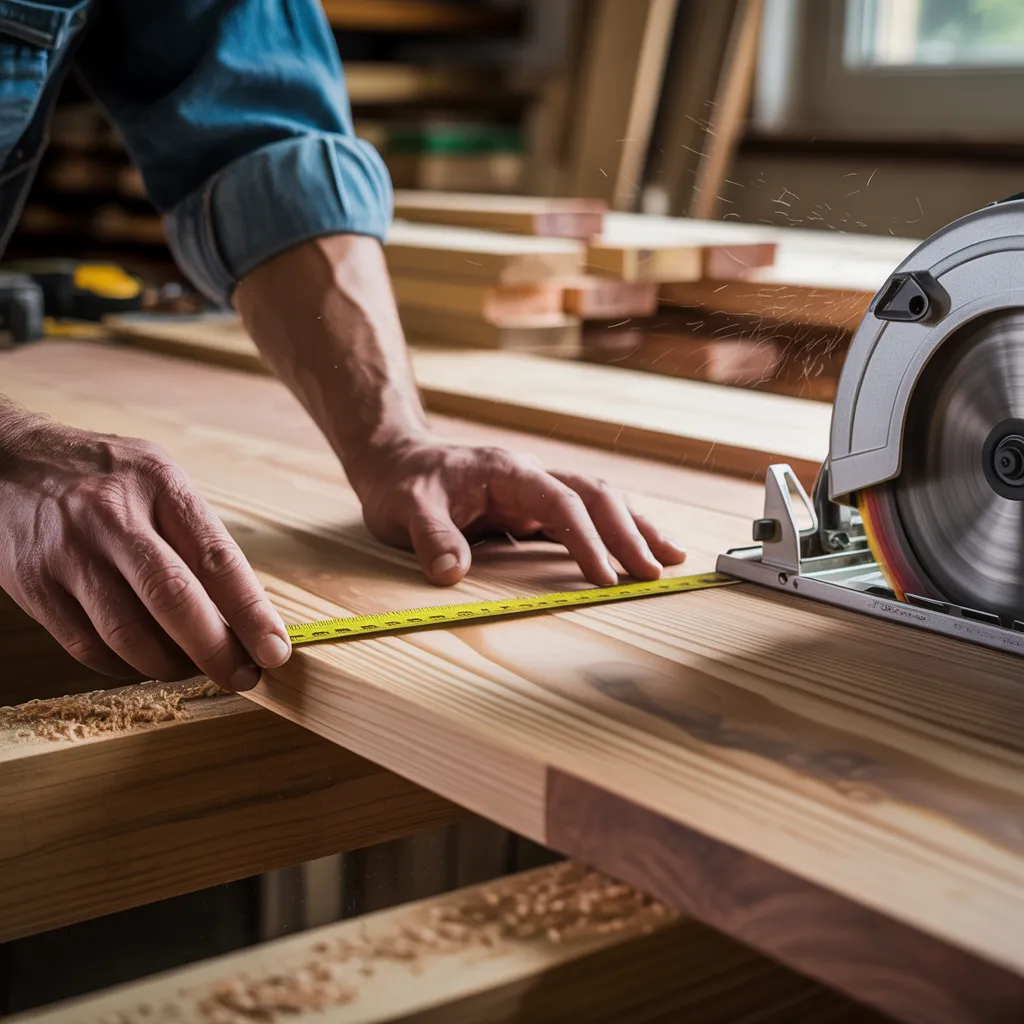
Essential Questions to Define Your Ideal Deck
When envisioning the perfect deck, what core aspects should be examined? To begin, individuals must assess their main reason for the deck. Is it for entertaining guests, sharing moments with loved ones, or quietly unwinding alone? Knowing the planned purpose guides design decisions considerably.
Next, the preferred size and layout must be established. This involves examining the available area and how the deck design will complement surrounding structures and landscape features.
Furthermore, one should evaluate the deck's direction and sun exposure. This impacts the level of comfort during the day and influences material choices as well.
Finally accessibility is essential; easy access to the home and surrounding areas will enhance usability. By exploring these key questions, homeowners can establish a clear vision that sets the foundation for their ideal deck, making sure it aligns with their daily living requirements while blending seamlessly with the surrounding landscape.
Choosing Decking Materials for Your Ideal Backyard Space
Picking the ideal materials for a deck can considerably impact both its visual appeal and longevity. Deck owners frequently evaluate several choices, including composite, wood, and PVC materials. Organic wood, such as cedar or redwood, delivers a traditional look and can be stained or painted to match any design. Nonetheless, it requires regular maintenance to avoid rot and splintering.
Composite decking materials, made from a mixture of wood fibers and plastic, deliver a low-maintenance alternative that is resistant to fading and staining. The wide range of available colors and textures makes them a popular option for numerous applications.
PVC decking material, made entirely from plastic, provides outstanding durability and moisture resistance, promising lasting performance in a range of climates.
Ultimately, the choice of materials should complement the home owner's preferences, financial plan, and upkeep requirements, facilitating a personalized outdoor living space that embodies their living preferences while standing the test of time.
Developing Your Deck Design: Engaging With Industry Professionals
Turning a concept into a beautiful deck design typically necessitates collaboration with experienced professionals. Skilled deck builders and design experts collaborate directly with their clients to understand their preferences, lifestyle, and aesthetic goals. This partnership kicks off with an introductory consultation, where ideas are exchanged and fundamental requirements are established.
Professionals utilize their experience to propose materials, layouts, and features that align with the homeowner's vision while ensuring long-term functionality and durability. They often offer detailed 3D visualizations, helping customers to see the end result and make informed decisions.
Within the design process, clear communication plays a vital role. Clients are encouraged to express their thoughts and concerns, while experts provide direction and knowledge. This working relationship not only boosts innovative thinking but also streamlines the design process, guaranteeing that the completed deck captures the homeowner's personal vision and requirements. In the end, the collaboration fosters a smooth transition from initial idea to a beautiful and functional outdoor retreat.
Deck Building Permits: What You Need to Know?
As the design process progresses, understanding the regulatory landscape becomes essential for homeowners planning to build a deck. Deck construction permits are commonly mandated to secure conformity with local construction codes and zoning requirements. These permits safeguard the structural integrity and safety of the deck, addressing factors like height, size, and location.
Property owners ought to commence by reaching out to their municipal building office to determine detailed requirements. The process generally requires providing detailed plans, which detail the deck's construction and materials. Moreover, some areas may mandate reviews at various construction stages.
Overlooking the need for the required permits could cause fines, mandatory removal, or delays in the construction process. It is advisable for homeowners to work closely with seasoned deck contractors who have knowledge of regional permitting requirements, facilitating a smoother shift from planning to completion while preventing common obstacles tied to permit acquisition.
What Happens During the Deck Construction Phase
Throughout the deck building process, homeowners will experience a methodical process that transforms their vision into reality. First, the construction area will be readied, ensuring it is even and free of any obstructions. The deck builders will then lay out the design according to the approved plans, marking key points for posts and beams.
After this step, they will establish the structural foundations, including posts and footings, which ensure structural stability. With the structure securely in place, the contractors will install decking material and joists, ensuring accurate spacing and proper alignment. Throughout this process, clients can anticipate regular updates and communication from the decking contractors, addressing any questions or concerns.
Safety remains a top priority, so professionals will follow all applicable local codes and standards. Finally, once construction is complete, a comprehensive inspection will verify the deck complies with all established specifications, laying the groundwork for the final details that will elevate the overall appearance.
After Construction: Key Deck Maintenance Suggestions
Once deck construction has been successfully completed, homeowners make maintaining its integrity and appearance a top priority. Consistent maintenance not only boosts the deck's visual appeal but also increases its longevity. Initially, homeowners should frequently clean the deck, eliminating debris and dirt to reduce the risk of mold growth. Using a gentle cleanser and a soft brush is recommended to avoid damaging the surface.
Applying sealant to the deck is vital, most notably for structures made of wood. A top-grade sealant shields against moisture, ultraviolet rays, and weathering. Property owners should renew the sealant every one to three years, based on the surrounding environmental conditions.
Checking for damaged boards, protruding nails, or structural concerns ought to be performed each season. Quick repairs can stop more serious damage from occurring. explore the details Furthermore, thoughtful furniture arrangement and the application of protective mats can help reduce wear and tear. By implementing these care recommendations, homeowners can be confident their deck will continue to serve as a stunning and versatile outdoor retreat for years to come.

Questions We Often Receive
How Much Time Does the Full Deck Construction Process Usually Take?
The complete deck construction process usually spans anywhere from one to several weeks, based on factors including design complexity, material availability, and weather conditions. Every project is different, which notably affects the overall timeline.
What Design Trends Are Popular for Decks Right Now?
At present, trending design choices for decks encompass multi-level structures, integrated lighting, eco-friendly materials, and expansive layouts that connect interior and exterior living areas. Natural finishes and vibrant colors are increasingly growing in popularity with homeowners seeking contemporary design appeal.
Can Features Such as Lighting or Seating Be Added Later?
Yes, extra elements like illumination or seating areas can be installed down the line. Professional deck contractors often recommend considering future improvements during the building process to provide smooth incorporation and preserve the structural soundness while allowing for evolving style preferences.
In What Ways Do Weather Conditions Impact the Construction Timeline?
Meteorological conditions have a considerable influence on construction timelines. Rainfall, snowfall, or harsh temperature extremes can postpone material deliveries, obstruct worker output, and affect equipment reliability, consequently lengthening the project's completion time and demanding strategic planning to minimize these foreseeable obstacles.
What Warranties or Guarantees Do Deck Builders Typically Offer?
Deck construction companies commonly offer warranties that cover materials and workmanship, spanning one to ten years. Some may also provide lifetime guarantees on specific products, ensuring durability and customer satisfaction across the full duration of the deck's life.